What’s so special about slow travel and how is it connected to Growthcation retreats?
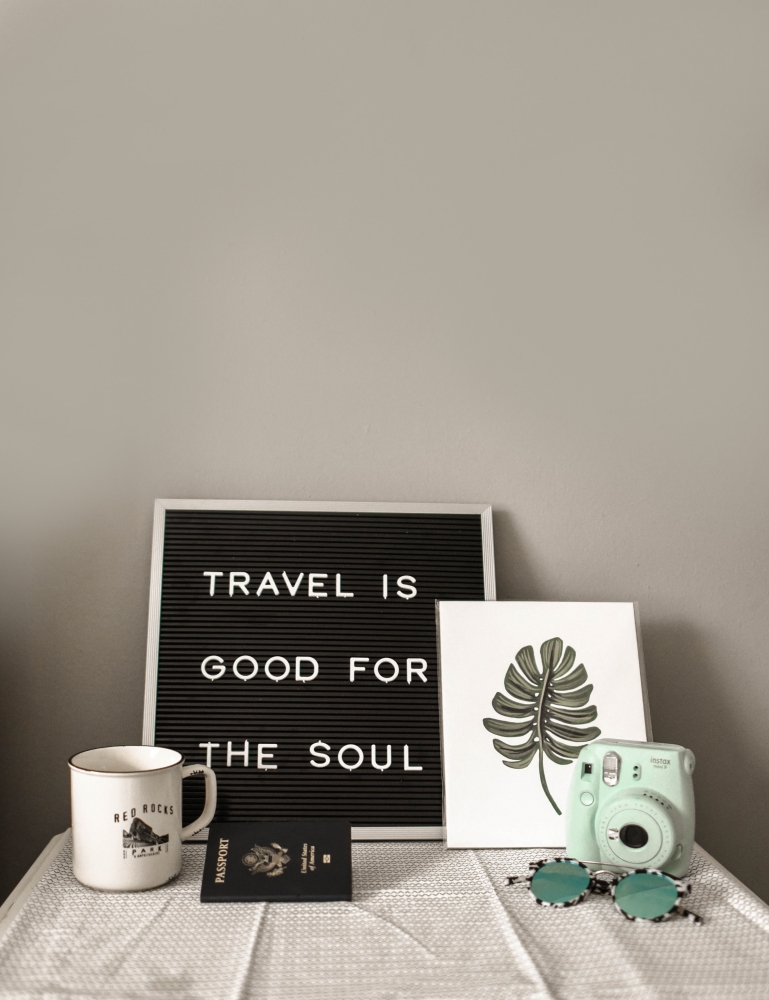 Photo by Element5 Digital
Growthcation’s aspiration is to bring the best of slow travel, creative tourism, responsible tourism, and personal development into one vacation. Growthcation style retreats inspire to travel sustainably, ethically, responsibly, creatively and based on slow life philosophy.
Responsible Tourism
Traveling is an amazing experience. Exciting, inspiring, eye-opening, mind-blowing, life-changing. As a famous quote states, “travel is the only thing you buy that makes you richer.” On the other hand, traveling doesn’t always have positive effects on the environment. Mass tourism often destroys nature and deprives local communities of the many benefits they deserve.
The solution is to take responsibility for the consequences of your traveling. AITR, Italian Association for Responsible Tourism defines the responsible type of tourism as “tourism that is carried out according to principles of social and economic justice and with full respect toward the environment and cultures.” Responsible tourism principles extend to several fields: environment, economy, society, and culture. It means taking care of nature and the environment, respecting local society and its traditions, taking into account cultural differences, and contributing to destinations’ economic growth. The last aspect is very often misunderstood. For instance, all-inclusive resorts are very cheap and carefree options for a vacation, but they are mostly owned by international corporations and bring no benefit to local communities, and very often cause a lot of harm to both the regional environment and the local economy.
Retreat tourism is often responsible at its core, without even taking any additional effort. You rent a cottage in the mountains (that belongs to a small family, not a huge corporation) and try to live in harmony with nature, you dispose properly your trash and take care of the environment, you make friends with the locals and buy their handmade products, you forget about your car and decide to walk and cycle around the area, you support the local community and respect its lifestyle, you try meat- and dairy-free diets and reduce your carbon footprint. On your retreat, you are an off-tourist-track tourist, almost a local.
Creative Tourism
Creative tourism is becoming increasingly popular, benefiting both travelers and their travel destinations. The official definition of creative tourism was formulated in 2000 by professors Crispin Raymond and Greg Richards: ‘‘Tourism which offers visitors the opportunity to develop their creative potential through active participation in courses and learning experiences, which are characteristic of the holiday destination where they are taken.” In other words, during your travels, you can either try a completely new activity or seek out locations in which you can enjoy your current hobbies while traveling. Creative tourism options are endless and include language courses, arts and craft workshops, yoga and meditation trainings, photography lectures, fashion and design workshops, and dance lessons, to name a few. The idea of creative tourism is to participate in learning experiences that are related to local culture and traditions.
In many destinations around the world, creative tourism is gradually replacing both traditional and cultural tourism. Many tourists are no longer satisfied with just visiting attractions. They want to learn new things and take part in local traditions. Participation in various study programs and workshops also makes traveling more meaningful. Creative travel is not just a short-term passing of time at another all-inclusive resort. Travelers feel more satisfied knowing that they have used their time productively and that the acquired knowledge or skill will remain with them even after the trip. Creative tourism helps travelers to increase their creative potential and contributes to their personal development.
Retreat tourism is creative in its own way. You go on a retreat to recreate yourself, to unleash your hidden potential, to learn something new, or to remember something forgotten that used to inspire you when you were younger. Growthcation programs can be viewed as self-led creative travel. It is true that your self-study and learning experience during your retreat might not be related to the local culture and traditions of the destination where you travel unless you do a meditation or yoga retreat in India or rent a room in an artist’s bed-and-breakfast to take the Eliminating Creative Blocks program. In any case, your trip will definitely be related to unleashing your creative potential and engaging in self-development.
Slow travel
Today's number one disease is neither diabetes nor obesity, but constant rush. Fast living, fast food, quick loans, flash sales, instant purchases, fast profits, must-see-it-all-in-one-trip vacations - all the time such a big rush. So much needs to be accomplished, bought, acquired and demonstrated to others. There is never enough money, things, savings, brand clothes, luxury, satisfaction, or cool social media images. While working overtime, you anxiously wait for a day off, but the moment it finally arrives, you are unable to enjoy it and truly relax. Boredom and dissatisfaction flow over you. And again, you are out there, in the fast-paced world to achieve even more. An eternal rat race, at the end of which, there is still the same result - frustration, feeling of inferiority, and emotional and physical burnout.
But more and more people are giving up this race and turning to a slow lifestyle. The first clearly defined slow movement was probably the slow food movement that emerged in 1986 in Rome in protest at the opening of a McDonald's restaurant on Spanish Square. The slow food movement inspired a number of other movements in many areas of the world based on similar principles - sustainability, environmental consciousness, quality over quantity, fair trade, ethical choices, avoiding overconsumption, reconnecting people with nature and with other people. A slow lifestyle includes slow education, slow fashion, slow journalism, bioregionalism, slow money, degrowth, slow parenting, slow housing, and, of course, slow travel. Slow travel is a form of low-impact tourism. Unhurried trips off the tourist track, staying at one place for a longer period with full immersion into the local environment, finding your ‘home away from home’.
Retreat tourism is one form of slow travel. There is no must-see list of famous overcrowded attractions that you must hit within a few days or even hours. Slow travel is exactly the opposite – going within, away from the over hurried and overstressed world. Your retreat can be your first step towards a more balanced life. You slow down to connect with the silence of the present moment, to get clarity, and to discover the true meaning. You eliminate all the distractions and unnecessary clutter to focus on what is important – on your forgotten dreams and aspirations. Like all slow movements, slow travel inspires a lifestyle that is more sustainable, fulfilling, and satisfying.
Growthcation aims to change the way people travel. Responsibly. Creatively. Slowly. Join us in changing the world, one person at a time.